Ming-Style Furniture-Making
Introduction
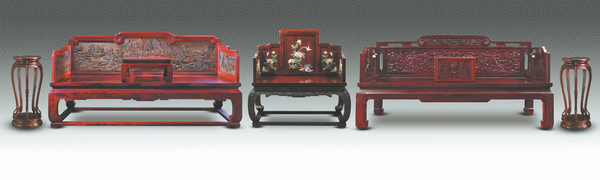
Ming-style furniture-making represents a significant aspect of Chinese cultural heritage, renowned for its elegant designs and meticulous craftsmanship. Originating during the Ming Dynasty (1368-1644), this furniture style is celebrated for its simplistic yet sophisticated aesthetic, characterized by clean lines, exquisite carvings, and a harmonious balance between functionality and form. Artisans meticulously craft each piece using traditional techniques such as mortise-and-tenon joints, reflecting a deep respect for historical authenticity and cultural storytelling. Today, Ming-style furniture is not only admired for its visual appeal but also for the cultural stories embedded within its patterns and motifs, which echo aspirations for harmony and prosperity. This tradition, passed down through generations, continues to thrive through the dedication of master artisans who blend historical techniques with contemporary innovations to meet modern needs while preserving the essence of this timeless craft.
History
The history of Ming-style furniture-making is deeply intertwined with the cultural and artistic developments of the Ming Dynasty. During this time, a burgeoning appreciation for art and culture fostered an environment where artisans began experimenting with new forms and techniques in furniture-making. The Ming Dynasty was marked by a flourishing of the arts, supported by an affluent society that appreciated beauty and craftsmanship in everyday objects. It was during this era that furniture-makers began to emphasize simplicity and elegance in their designs, moving away from the more ornate and elaborate styles of previous dynasties.
Ming-style furniture became distinctive for its minimalist design, featuring clean lines and a focus on the natural beauty of the wood. This period also saw the development and refinement of mortise-and-tenon joinery, a technique that allowed for the creation of strong and durable furniture without the use of nails or screws. This method not only enhanced the structural integrity of the pieces but also contributed to their aesthetic appeal by maintaining a seamless and unobtrusive look.
As the Ming Dynasty progressed, furniture-making continued to evolve, incorporating influences from various regions within China. This led to the development of regional styles, each with its own unique characteristics. Ming-style furniture reflects the social and cultural aspirations of the time, embodying principles of harmony, balance, and respect for nature. The legacy of Ming-style furniture-making extends beyond the Ming Dynasty, influencing subsequent generations of artisans and continuing to shape the landscape of traditional Chinese furniture-making.
Design and Characteristics
Materials
Ming-style furniture is renowned for its use of high-quality hardwoods, which contribute to its durability and aesthetic appeal. The choice of wood is a critical aspect of the furniture-making process, as it influences both the appearance and longevity of the finished piece. Common woods used in Ming-style furniture include rosewood, huanghuali, and zitan, prized for their strength, texture, and natural beauty. These woods are selected not only for their physical properties but also for their symbolic significance within Chinese culture, often associated with wealth, status, and longevity.
The natural characteristics of the wood are highlighted through careful craftsmanship, with artisans paying close attention to the grain, color, and texture. The use of high-quality materials ensures that each piece of furniture not only serves a functional purpose but also possesses a timeless elegance and beauty. The inherent qualities of the wood are complemented by the skilled techniques employed in its construction, resulting in furniture that is both visually striking and enduring.
Techniques
A defining feature of Ming-style furniture-making is the use of traditional joinery techniques, particularly the mortise-and-tenon joint. This method involves interlocking pieces of wood without the use of nails or screws, creating a strong and stable structure. The precision required in crafting these joints is a testament to the skill and expertise of the artisans, who must ensure that each joint fits perfectly to maintain the integrity and aesthetic of the piece.
Carving is another important technique in Ming-style furniture-making, adding intricate designs and motifs that reflect cultural and historical themes. Carvings are often inspired by nature, including floral patterns, animals, and landscapes, and are executed with great precision and attention to detail. These carvings not only enhance the visual appeal of the furniture but also serve as a means of storytelling, conveying cultural values and beliefs.
Aesthetic Principles
The aesthetic principles of Ming-style furniture are rooted in simplicity, balance, and harmony. The minimalist design emphasizes clean lines and proportional forms, creating a sense of elegance and refinement. The natural beauty of the wood is showcased through the furniture's simple yet sophisticated design, allowing the material to speak for itself. The emphasis on balance and symmetry reflects a broader cultural appreciation for harmony, both in design and in life.
Ming-style furniture is also characterized by its functionality, with each piece designed to serve a specific purpose while maintaining its aesthetic appeal. The combination of form and function is a hallmark of this style, ensuring that the furniture is not only beautiful but also practical and comfortable to use. This balance between aesthetic and utility is a defining feature of Ming-style furniture, contributing to its enduring popularity and influence.
Types of Ming-style Furniture
Chairs and Stools
Chairs and stools are some of the most iconic pieces of Ming-style furniture, celebrated for their elegant and functional design. The construction of these seating pieces showcases the mastery of mortise-and-tenon joinery, providing both strength and aesthetic appeal. Ming-style chairs are often characterized by their high backs and armrests, offering comfort and support. The design emphasizes clean lines and graceful curves, with decorative carvings that add visual interest without overwhelming the overall simplicity of the piece. Stools, on the other hand, are typically more straightforward in design, yet they maintain the same attention to detail and craftsmanship. These seating options reflect the broader principles of Ming-style furniture, prioritizing functionality, comfort, and beauty.
Tables
Ming-style tables embody the same principles of elegance and functionality found in other furniture pieces from this era. Whether it's a dining table or a smaller side table, the design is marked by clean lines and a balanced form. Tables are often constructed using high-quality hardwoods, with the natural grain of the wood enhancing the overall aesthetic. The tops of these tables are typically smooth and uncluttered, allowing the simplicity of the form to shine through. The legs may feature intricate carvings or simple, straight lines, depending on the intended use and placement of the table. This focus on both form and function ensures that Ming-style tables serve as both practical and decorative elements within a space.
Cabinets and Wardrobes
Cabinets and wardrobes in the Ming-style are renowned for their practicality and aesthetic appeal. These storage pieces are designed to be both functional and visually pleasing, often featuring intricate carvings and decorative motifs. Constructed using traditional joinery techniques, these pieces are built to last, with a focus on durability and stability. The interior of the cabinets is thoughtfully designed to maximize storage space while maintaining an organized appearance. Externally, the use of high-quality woods and careful craftsmanship ensures that each piece serves as a statement of elegance and style. The combination of utility and beauty makes Ming-style cabinets and wardrobes a cherished addition to any space.
Influence and Legacy
Ming-style furniture has left an indelible mark on the history of Chinese furniture-making, influencing subsequent generations of artisans and designers. Its emphasis on simplicity, elegance, and functionality has become a foundational principle in the creation of traditional Chinese furniture. The techniques and aesthetic principles developed during the Ming Dynasty continue to be revered and practiced by contemporary furniture-makers, ensuring the preservation and continuation of this rich cultural heritage.
The influence of Ming-style furniture extends beyond China, having inspired furniture design globally. Its clean lines and minimalist aesthetic have resonated with modern designers, contributing to the development of contemporary styles that value simplicity and functionality. This cross-cultural influence highlights the universal appeal of Ming-style furniture and its ability to transcend geographical and historical boundaries.
The legacy of Ming-style furniture is also reflected in the continued appreciation and demand for these pieces among collectors and enthusiasts. Antique Ming-style furniture is highly sought after, with many pieces held in prestigious collections and museums around the world. This enduring admiration underscores the timeless beauty and craftsmanship that define Ming-style furniture, ensuring its place in the annals of design history.
Preservation and Cultural Significance
The preservation of Ming-style furniture-making techniques is crucial to maintaining the cultural heritage and historical significance of this art form. Artisans and craftsmen dedicated to this tradition play a vital role in ensuring that the skills and knowledge of Ming-style furniture-making are passed down to future generations. These practitioners work tirelessly to preserve the authenticity of the craft, adhering to traditional methods and principles while also embracing innovation to meet contemporary needs.
The cultural significance of Ming-style furniture extends beyond its aesthetic appeal, serving as a tangible link to China's rich history and cultural identity. Each piece of furniture embodies the values and beliefs of the time in which it was created, offering insight into the social, cultural, and artistic developments of the Ming Dynasty. The motifs and patterns found in these pieces convey stories and symbolism that continue to resonate with audiences today.
Efforts to preserve and promote Ming-style furniture-making are supported by various institutions and organizations, which recognize the importance of safeguarding this cultural heritage. Exhibitions, educational programs, and workshops are organized to raise awareness and appreciation for Ming-style furniture, encouraging a broader understanding of its historical and cultural significance. These initiatives play a crucial role in ensuring the continued relevance and vitality of Ming-style furniture in the modern world.
Contemporary Revival and Adaptation
The contemporary revival and adaptation of Ming-style furniture reflect a growing interest in traditional craftsmanship and cultural heritage. Modern designers and artisans are increasingly drawing inspiration from Ming-style furniture, incorporating its principles and techniques into contemporary designs. This revival is driven by a desire to reconnect with the cultural roots of traditional furniture-making while also meeting the demands of modern living.
Contemporary adaptations of Ming-style furniture often involve the integration of traditional elements with innovative design approaches. Designers may experiment with new materials, colors, and forms while maintaining the essence of Ming-style aesthetics. This fusion of old and new creates furniture that resonates with contemporary audiences, offering a fresh perspective on the timeless beauty of Ming-style design.
The adaptation of Ming-style furniture also extends to the creation of new products that cater to modern lifestyles. Designers are developing functional pieces that align with contemporary needs, such as modular furniture, ergonomic seating, and space-saving storage solutions. These adaptations ensure that the principles of Ming-style furniture remain relevant and accessible to today's consumers, preserving its cultural significance while embracing innovation.
The revival of Ming-style furniture is supported by a growing community of enthusiasts and collectors who appreciate the craftsmanship and cultural heritage embodied in these pieces. This renewed interest has led to an increased demand for Ming-style furniture, encouraging artisans and designers to continue exploring and expanding the possibilities of this traditional art form. Through this contemporary revival, Ming-style furniture continues to evolve, bridging the gap between past and present, and ensuring its enduring legacy in the world of design.








